

What is Embroidery?
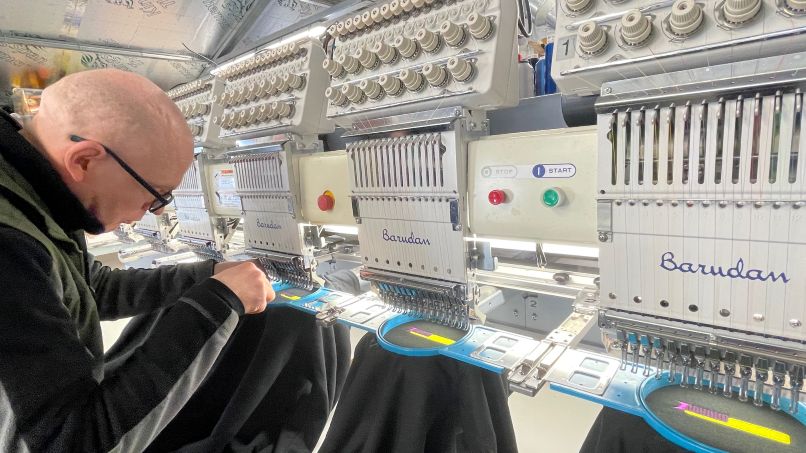
We will make the embroidery for you using automated machines in up to 12 colours. You can even choose specialist 3D effects, metalic or UV threads.
What Is Machine Embroidery?
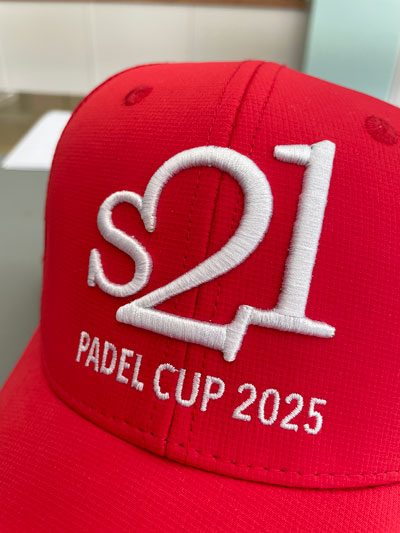
Unlike printed designs, embroidery uses thread, giving a raised, textured finish that’s durable and professional-looking. It’s especially great for corporate uniforms and promotional apparel.
How Does the Process Work?
1. Artwork Conversion (Digitising)
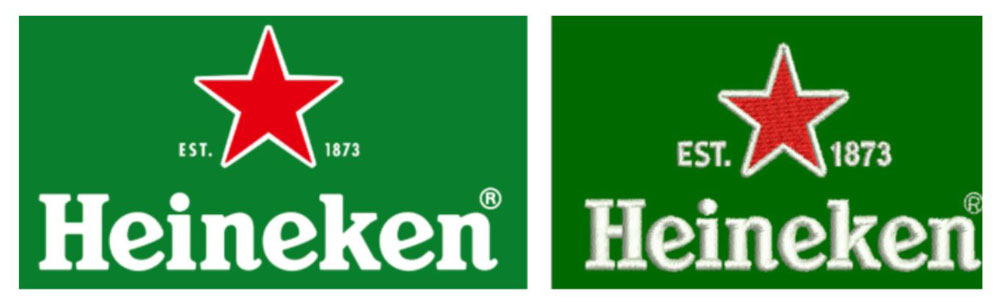
Before stitching can begin, your logo or artwork is converted into a special embroidery file – this process is called digitising. The file tells the machine exactly how to stitch your design, including the order, direction, and type of stitches.
2. Choosing Threads & Fabrics
We carefully select thread colours that closely match your design and prepare the garment for stitching on the embroidery machine. To ensure a clean, professional finish, we use stabilisers (a type of backing) that keep the fabric smooth and secure during the embroidery process. While we can’t match Pantone colours exactly, we’ll choose the closest thread shades available to stay true to your branding.
3. Stitching It Out
The machine embroiders the design using multiple needles and threads. Designs can be simple or complex, depending on your needs. The result is long-lasting, colourfast, and resistant to washing and wear.
4. Finishing Touches
Once embroidery is complete, we trim excess threads, remove the backing, and perform a quality check before it’s sent out to you.
Frequently Asked Questions
Do I need to supply a special kind of logo?
What is digitising and why is it needed?
Can I choose thread colours?
Yes! We’ll match your brand colours as closely as possible using our extensive thread library. Let us know your preferences or brand guidelines.
Is Embroidery durable?
Is there a minimum order?
We typically have a low minimum for embroidery jobs, but get in touch and we’ll advise based on your order size and design.
Can you embroider on any fabric?
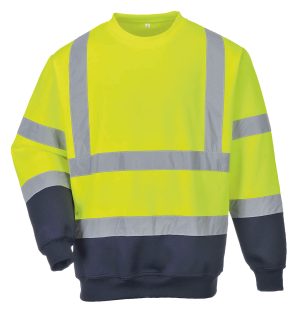
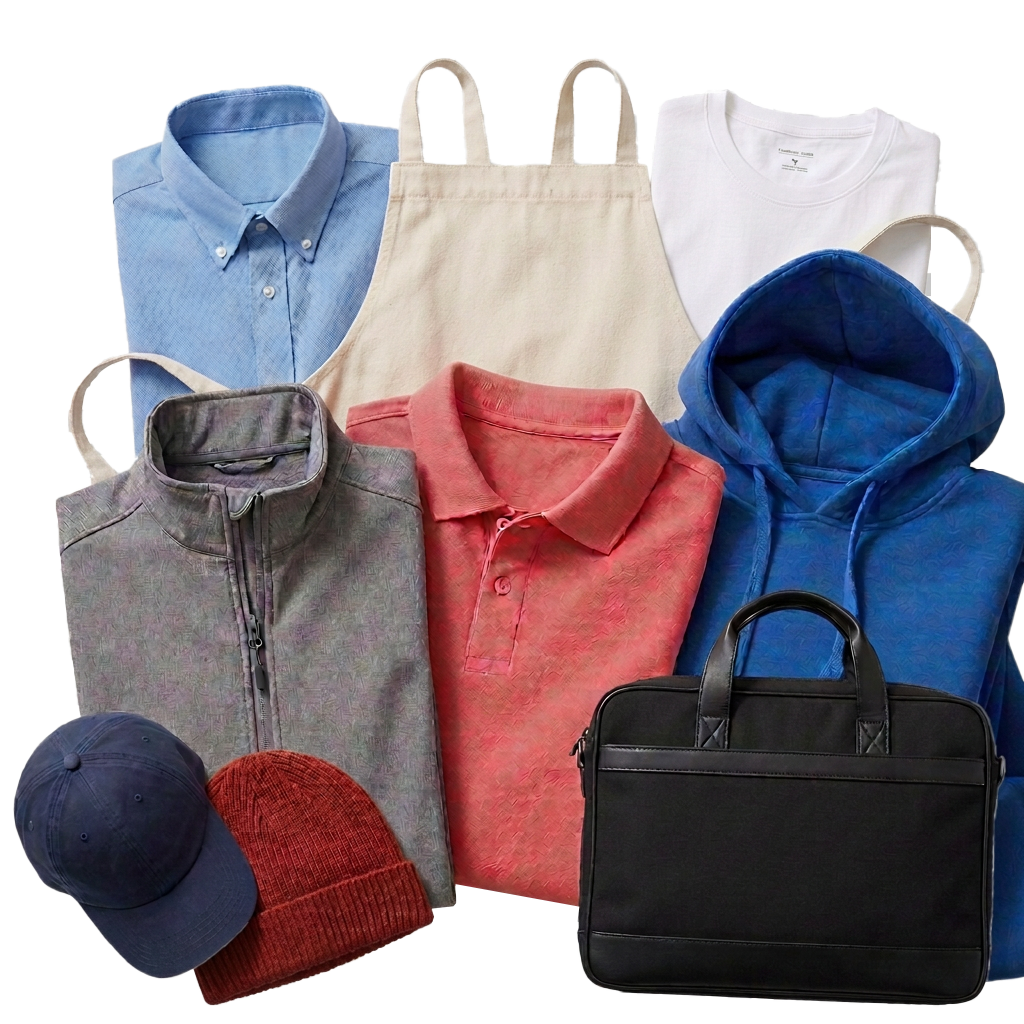
Most! Cotton, polyester, fleece, denim – no problem. Some delicate fabrics may not be suitable, but we’ll always let you know in advance. We have a wide range of clothing options for all industries from Outerwear Jackets, Hi Vis Jackets, Aprons and Office Shirts